Opening the Secrets of Veneers: Truths, Kinds, and Advantages for a Beautiful Smile
Veneers supply a compelling option for those looking for to boost their smiles. These oral improvements can deal with various flaws, from discoloration to misalignment. With alternatives like porcelain and composite, people can choose based upon their preferences and needs. Comprehending the nuances of veneers, consisting of application and treatment, is vital. What aspects should one take into consideration prior to deciding? The solutions might stun those interested in this visual oral choice.
Comprehending Veneers: What Are They?
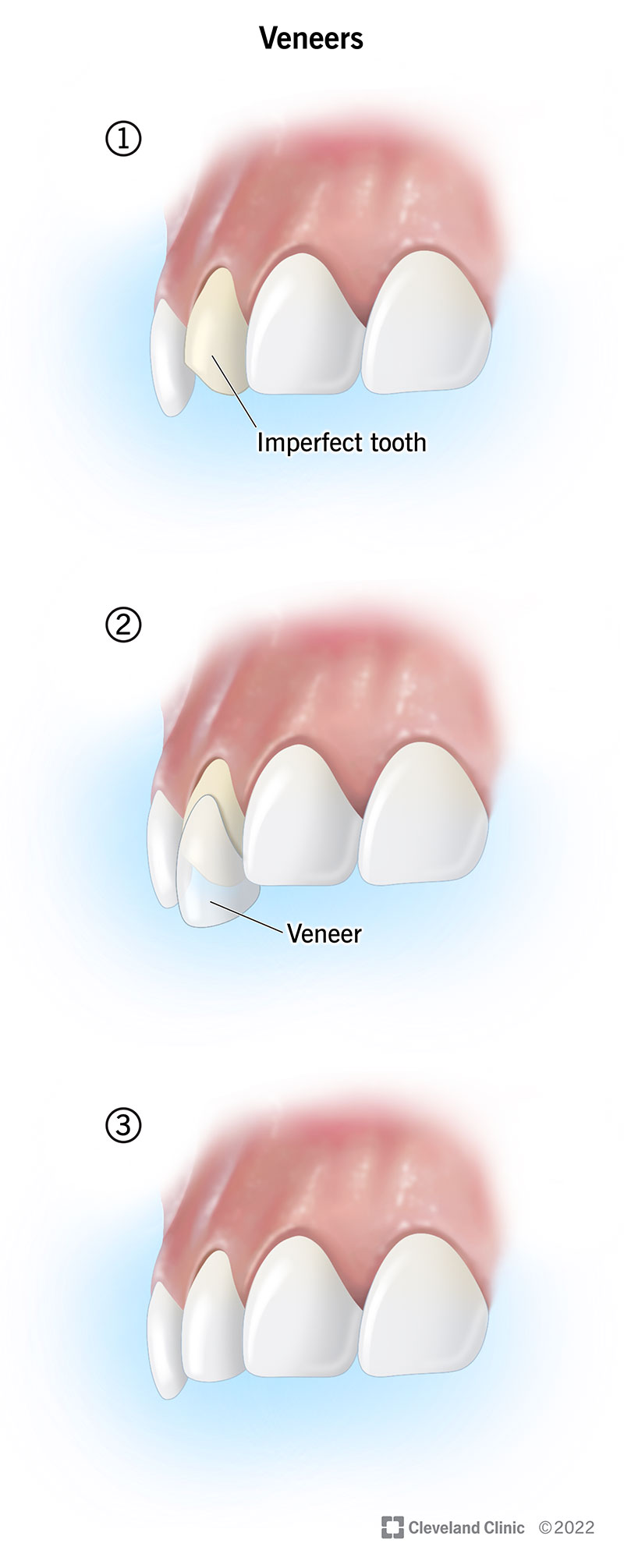
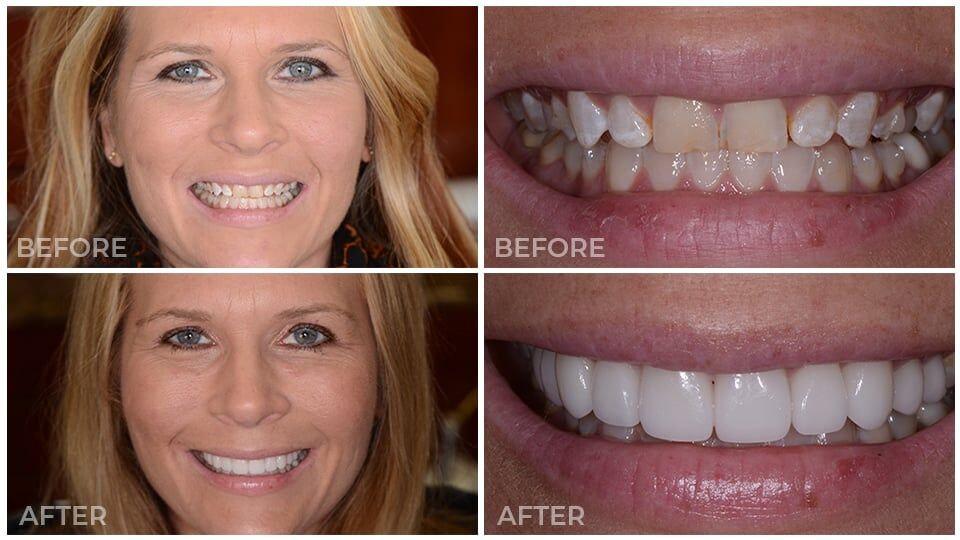
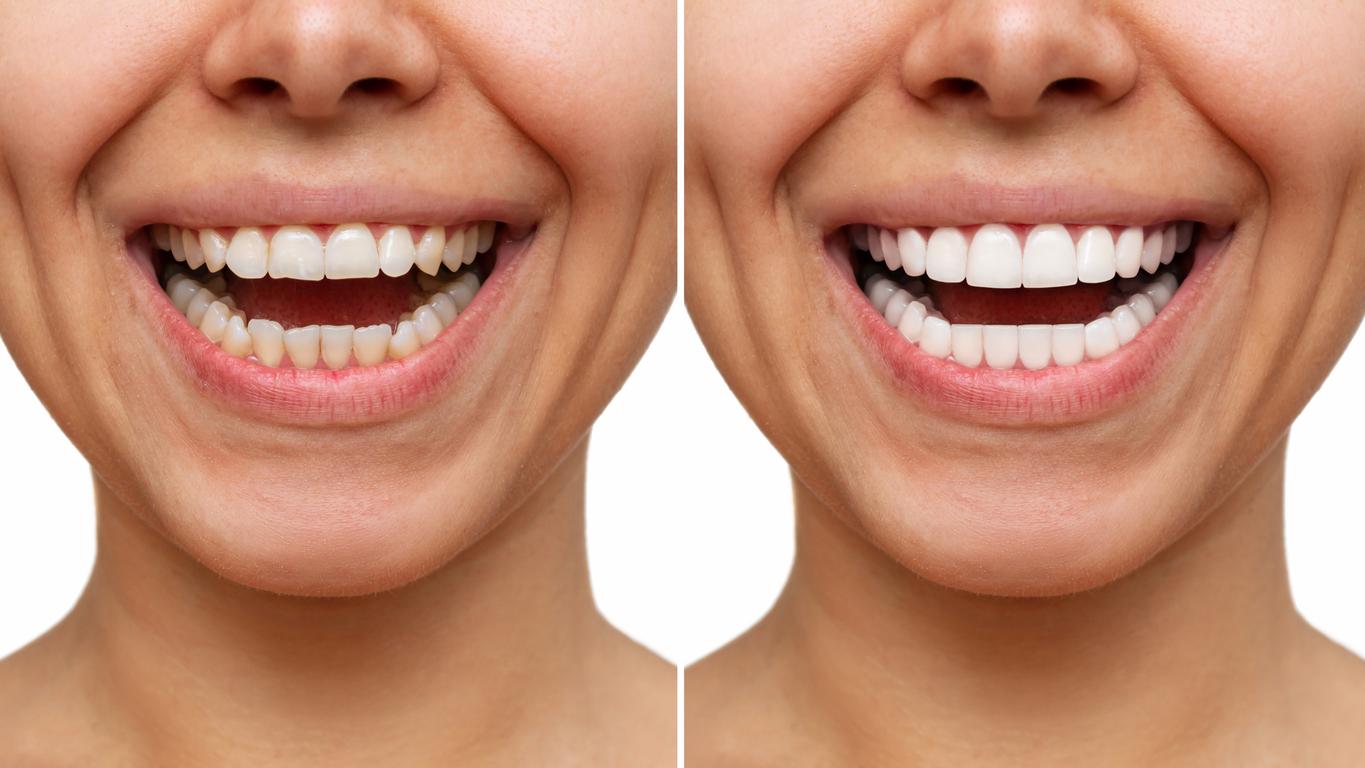
Veneers are slim, tailor-made shells created to cover the front surface of teeth, enhancing their appearance. Generally crafted from long lasting materials, these shells are tailored to fit each individual's teeth specifically. They offer multiple functions, including correcting aesthetic flaws such as staining, chips, or gaps. The application procedure entails a dental practitioner preparing the teeth, frequently by getting rid of a tiny amount of enamel to guarantee a tight fit. Once prepared, the veneers are bound to the teeth utilizing a strong adhesive.
Patients usually pick veneers for their ability to create a natural-looking smile while providing a lasting remedy to dental blemishes. Unlike other aesthetic dental care options, veneers call for marginal intrusive treatments, making them a prominent choice. The result is a better smile that can greatly boost an individual's confidence and self-confidence. Overall, veneers supply an effective strategy to achieving an extra eye-catching and harmonious oral look.
Kinds of Veneers: Porcelain vs. Compound
When considering aesthetic oral alternatives, 2 primary kinds of veneers stand out: porcelain and composite. Porcelain veneers are crafted from a resilient ceramic product that resembles the natural look of teeth. They are recognized for their tarnish resistance and ability to mirror light likewise to natural enamel, supplying an aesthetic allure that many people need. The application process generally involves more prep work of the tooth structure and might call for several check outs to the dental professional.
On the other hand, composite veneers are made from a tooth-colored material that is straight related to the teeth. This type enables quicker application and can usually be completed in a single go to. While they are less costly than porcelain veneers, they might not provide the exact same longevity or resistance to staining. Ultimately, the option between porcelain and composite veneers relies on individual preferences, spending plan, and particular dental demands.
The Advantages of Choosing Veneers
Picking veneers uses various benefits that can substantially boost both the appearances and functionality of a person's smile. One of the key advantages is their ability to fix blemishes such as staining, voids, and imbalance, leading to an extra consistent look. Veneers can also boost the longevity of teeth, giving a protective layer that guards them from damages.
They require marginal tooth preparation compared to various other oral treatments, preserving more of the natural tooth framework. This preservation contributes to a much healthier dental environment while still achieving a stunning smile.
Veneers are highly customizable, permitting people to select the shape, size, and color that best suits their preferences. Additionally, they are stain-resistant, making it simpler to keep a attractive and brilliant smile over time. On the whole, veneers present an effective alternative for those looking for both cosmetic improvement and lasting oral health and wellness benefits.
The Veneer Application Refine
The veneer application procedure includes several vital steps to guarantee excellent outcomes. An assessment is carried out to evaluate the client's needs, complied with by the prep work and shaping of the teeth. Ultimately, the veneers are adhered in location, with modifications produced a best fit and appearance.
First Examination Tips
A complete first examination is crucial for anybody considering veneers, as it establishes the structure for a successful therapy. During this conference, the oral professional assesses the individual's oral health and wellness, reviewing any existing problems that might impact the veneer application. This assessment may include X-rays and an aesthetic examination to figure out the condition of the gum tissues and teeth.
The dental professional also involves the client in a comprehensive discussion regarding their aesthetic goals, choices, and expectations. They might offer various veneer alternatives tailored to the person's specific demands. Additionally, the specialist discusses the treatment, prospective risks, and aftercare needs, making certain that the person is knowledgeable and comfortable before continuing with the therapy.
Preparation and Shaping Teeth
After the first assessment, the following stage involves the preparation and shaping of the teeth to fit the veneers. This essential step is carried out by the dental expert, that meticulously assesses the tooth structure to determine the amount of enamel that needs to be eliminated. Usually, a slim layer, typically around 0.5 millimeters, is shaved off to guarantee a proper suitable for the veneers. Precision is critical during this procedure, as it influences both the aesthetic outcome and the general convenience. When the teeth are appropriately shaped, impressions are taken to develop custom veneers that straighten perfectly with the client's dental profile. This precise prep work establishes the stage for an effective veneer application, enhancing both appearance and feature.
Bonding and Final Adjustments
Complying with the shaping and preparation of the teeth, the bonding process starts, noting an essential phase in the veneer application. During this phase, a dental adhesive is applied to the ready tooth surface, guaranteeing a strong bond in between the veneer and the tooth. The dental practitioner diligently positions the veneer, making adjustments to achieve the preferred positioning and looks. When correctly placed, a special light is utilized to heal the glue, strengthening the bond. After curing, the dental practitioner performs final modifications, trimming any excess product and fine-tuning the veneer's shape to ensure a natural look. This cautious interest to information enhances both feature view it and looks, contributing to an overall attractive smile that is durable and resilient.
Caring for Your Veneers: Upkeep Tips
Taking care of veneers is vital to maintain their appearance and durability. A consistent everyday cleansing regimen, mindful evasion of staining foods, and regular dental check-ups are crucial components of effective maintenance. These techniques help ensure that veneers remain in peak condition and remain to enhance one's smile.
Daily Cleaning Routine
On a regular basis maintaining veneers is crucial for their durability helpful site and appearance. A proper day-to-day cleansing routine can aid protect their sparkle and prevent damage. Dental professionals suggest cleaning two times a day with a soft-bristled toothbrush and fluoride toothpaste, ensuring that all surface areas are cleansed gently to stay clear of scraping the veneer surface. Flossing day-to-day is also crucial to get rid of food fragments and plaque from between teeth, where brushes might not get to. Additionally, making use of an antimicrobial mouth wash can help maintain dental hygiene without harming the veneers. It is advisable to stay clear of unpleasant cleansers and devices that can scratch the veneer. By complying with these straightforward actions, individuals can maintain their veneers looking beautiful while advertising total oral wellness.
Staying Clear Of Discoloration Foods
Although veneers are designed to improve the appearance of teeth, their vulnerability to discoloring necessitates cautious nutritional choices. It is vital for individuals with veneers to be conscious of specific foods and drinks that can result in discoloration. Dark-colored products such as coffee, merlot, and berry juices must be consumed in small amounts, as they are known to stain both natural teeth and veneers. Additionally, acidic foods like citrus fruits canister damage the bonding representatives made use of in veneers, making them much more prone to staining. To keep a bright smile, it is suggested to rinse the mouth with water after consuming staining foods and to exercise routine dental hygiene. These thoughtful selections add substantially to the durability and aesthetics of veneers.
Regular Oral Check-ups
Preserving the integrity of veneers requires a dedication to routine dental examinations, as these appointments play an essential function in ensuring their durability and appearance. Throughout these sees, oral professionals can assess the condition of the veneers, examining for any kind of indications of wear, damage, or underlying dental issues. Additionally, routine cleanings help get rid of plaque and tartar that can collect around the veneers, promoting general oral health and wellness. Dental experts can also offer tailored suggestions on care strategies and items fit for veneer upkeep. By sticking to a timetable of exams, individuals can attend to possible problems early, guaranteeing their smile stays vivid and beautiful. Inevitably, normal dental sees are a vital component of veneer treatment.
Is Veneers the Right Alternative for You?
Choosing whether veneers are the right option often pivots on specific aesthetic objectives and dental demands. For those seeking to deal with concerns such as discoloration, chips, or misalignment, veneers can provide a transformative remedy. Prospects generally include individuals with healthy and balanced teeth however desire a boosted smile.
It is important to take into account variables such as tooth enamel condition, the level of dental concerns, and the readiness to maintain veneers. Consulting with an oral expert is essential, as they can review oral health and wellness and establish if veneers appropriate
In addition, prospective prospects should show on the long-lasting commitment, as veneers may need substitute every 10-15 years. Price considerations also play a considerable function, as veneers can be a substantial investment. Inevitably, the choice must be knowledgeable, balancing visual wishes with useful factors to consider for lasting results.
Regularly Asked Inquiries
How Much Time Do Veneers Normally Last Prior To Requiring Substitute?
Veneers commonly last between 10 to 15 years before needing replacement. Factors such as oral health, way of living selections, and worldly quality can influence their longevity, making regular dental exams necessary for maintaining their problem.
Are Veneers Safe for Individuals With Sensitive Teeth?
Veneers can be secure for individuals with delicate teeth, yet it usually depends on the intensity of sensitivity and the dental expert's technique. Consulting an oral professional before proceeding is necessary to assure look at these guys ideal outcomes.
Can Veneers Be Removed or Changed Conveniently?
Do Veneers Spot In Time, and Just How Can I Avoid It?
Veneers can stain in time, particularly from foods and beverages like coffee or merlot. To stop discoloration, keeping excellent dental hygiene, utilizing a straw for beverages, and routine dental cleanings are recommended practices.
What Is the Cost Array for Getting Veneers?
The price of veneers generally ranges from $500 to $2,500 per tooth, depending on factors such as product kind, dental practitioner experience, and area. Individuals need to seek advice from with oral specialists for customized quotes and financing options.
As soon as the teeth are appropriately shaped, impacts are taken to develop personalized veneers that line up completely with the individual's oral account. Throughout this phase, an oral adhesive is used to the prepared tooth surface area, ensuring a solid bond in between the tooth and the veneer. It is important to take right into account variables such as tooth enamel condition, the level of oral concerns, and the willingness to maintain veneers. Veneers can be safe for individuals with sensitive teeth, however it often depends on the severity of level of sensitivity and the dental expert's technique. The cost of veneers commonly varies from $500 to $2,500 per tooth, depending on elements such as material kind, dental practitioner experience, and place.